
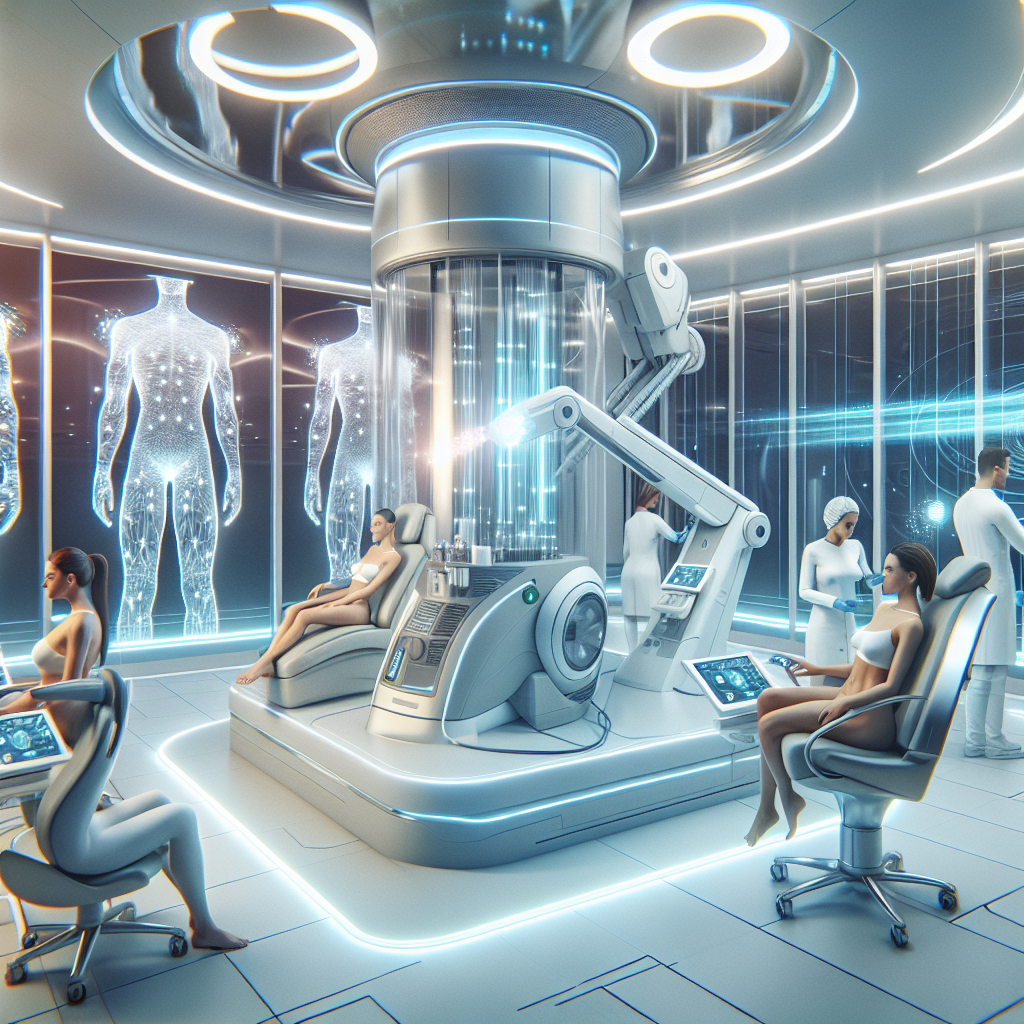
The Future of Facial Rejuvenation: Trends in Endolift Treatments
Technological Innovations Driving Endolift
In the world of aesthetics, where trends shift as quickly as celebrity hairstyles, Endolift has emerged as a standout innovation in facial rejuvenation. This treatment represents more than just another cosmetic procedure—it’s fundamentally changing how we approach skin renewal and anti-aging.
According to recent studies from the International Society for Aesthetic Plastic Surgery, an impressive 93% of patients report satisfaction with their Endolift results. This high satisfaction rate reflects the treatment’s ability to deliver measurable, visible outcomes through advanced technology.
Laser Technology: The Foundation of Endolift
Endolift’s effectiveness stems from its sophisticated laser technology. Unlike conventional methods that often require invasive surgical procedures, Endolift employs a minimally invasive laser system that works on both deep and superficial skin layers. This dual-action approach stimulates collagen production and tightens skin without the extended recovery periods associated with traditional surgery.
Precision Targeting for Personalized Results
What distinguishes Endolift from other treatments is its adaptability to individual needs. The technology enables practitioners to adjust parameters such as wavelength and intensity, ensuring each session addresses specific concerns—whether sagging skin, fine lines, or loss of elasticity. This personalized approach transforms each treatment into a customized experience.
Real-Time Monitoring with Smart Technology
Modern Endolift treatments incorporate smart technology with real-time feedback mechanisms. Practitioners can monitor treatment progress as it happens, optimizing results while minimizing risks. Patients often notice visible improvements immediately after treatment, with continued enhancement as collagen production increases over the following weeks.
These technological advances promise not only improved outcomes but also greater accessibility for those seeking facial rejuvenation without surgical intervention.
Comparative Analysis of Endolift and Traditional Methods
Traditional facial rejuvenation methods, including surgical facelifts and dermal fillers, often come with significant trade-offs. Studies show that surgical facelifts typically require two weeks or more for noticeable healing, while Endolift boasts minimal downtime—often allowing patients to return to normal activities within days.
The Challenges of Traditional Approaches
Traditional surgical procedures present several obstacles:
- Extended recovery times (typically 2+ weeks)
- Higher risk of complications including infection and scarring
- Invasive procedures requiring anesthesia and pain management
- Limited customization options
- Significant discomfort during recovery
Why Endolift Represents a Paradigm Shift
Endolift addresses these challenges through its minimally invasive approach. Using targeted laser technology, it stimulates collagen production without disrupting the skin’s surface. Many patients report fitting treatments into their lunch breaks, with immediate visible results that continue improving over time.
| Criteria | Traditional Methods | Endolift |
|---|---|---|
| Invasiveness | Highly invasive | Minimally invasive |
| Downtime | 2+ weeks | Minimal (days) |
| Recovery Pain | Significant | Minimal |
| Results Timeline | Varies | Immediate with continued improvement |
| Customization | Limited | Highly customizable |
While both approaches have their place in aesthetic medicine, Endolift offers an effective solution for those seeking facial rejuvenation without the burdens of surgery.
Patient Demographics and Preferences
Over 70% of patients seeking facial rejuvenation treatments fall between ages 30 and 50. This demographic isn’t simply chasing youth—they’re seeking solutions compatible with demanding lifestyles. Endolift aligns perfectly with these modern requirements.
Understanding Contemporary Patient Priorities
Today’s patients arrive well-informed, having researched their options thoroughly. They consistently express preferences for:
- Minimal downtime with quick recovery
- Non-invasive or minimally invasive procedures
- Immediate, visible results
- Personalized treatment plans addressing specific concerns
Endolift caters specifically to these priorities, making it particularly attractive for busy professionals who cannot afford extended recovery periods.
The Social Media Influence
Recent surveys reveal that nearly half of potential patients aged 25-35 consider aesthetic treatments due to social media influence. This demographic seeks confidence not only in person but also in their online presence. Aesthetic clinics, including leaders like Nova Skin Laser & Wellness in Jackson, have adapted their offerings to meet these evolving expectations.
The shift toward non-invasive treatments like Endolift also reflects changing perceptions about aesthetic enhancement. Patients increasingly view these procedures as self-care investments rather than purely cosmetic interventions.
The Personalization Revolution
Modern patients reject one-size-fits-all solutions. They expect treatments designed specifically for their unique skin types, concerns, and desired outcomes. Advanced Endolift technology enables practitioners to customize procedures based on individual needs—addressing multiple concerns simultaneously through tailored treatment parameters.
Regulatory Landscape Affecting Endolift Practices
The regulatory environment surrounding Endolift remains complex. The FDA has not yet officially approved Endolift as a standalone treatment, creating a challenging landscape for practitioners who must navigate varying state laws and guidelines.
Current Regulatory Challenges
Practitioners face several regulatory considerations:
- State-specific certification requirements for offering Endolift
- Strict guidelines for marketing claims to prevent misleading information
- Varying insurance coverage policies across providers
This patchwork of regulations creates an uneven playing field across the country, with some states embracing innovative procedures while others maintain more restrictive approaches.
Building Patient Trust Through Compliance
Regulatory compliance isn’t merely about legal protection—it’s fundamental to building patient trust. Patients increasingly choose clinics that demonstrate strict adherence to regulations, viewing compliance as an indicator of safety and professionalism. Clinics operating within regulatory frameworks enhance their credibility and foster confidence among potential clients.
Looking Toward Clearer Standards
Industry advocates are pushing for more explicit regulations that would standardize training programs and certifications. This would ensure all practitioners meet consistent safety standards, empowering patients to make informed decisions with confidence in their providers’ qualifications.
Customizing Endolift for Individual Patient Needs
Every face tells a unique story, and Endolift treatments can be tailored to honor that individuality. Unlike generic approaches, Endolift functions like a custom-tailored suit—perfectly fitted to each patient’s specific needs.
Comprehensive Skin Assessment
Consider a typical patient: a 45-year-old professional concerned about jawline sagging and crow’s feet. At a clinic like Nova Skin Laser & Wellness, practitioners assess her specific skin type and customize treatment parameters accordingly. While younger patients might prioritize hydration and luminosity, her treatment would emphasize lifting and tightening.
The customization process includes:
- Detailed skin type assessment
- Laser intensity adjustment based on individual sensitivity
- Treatment duration customization for specific concern areas
- Real-time parameter modification based on skin response
Beyond Treatment: A Holistic Approach
Customization extends throughout the entire patient experience—from initial consultation through post-treatment care. Leading clinics prioritize understanding patients’ lifestyles, expectations, and even upcoming events that might influence treatment timing or approach.
This flexibility allows practitioners to:
- Align treatment schedules with important personal events
- Adjust techniques based on real-time feedback during sessions
- Provide personalized aftercare instructions
- Create follow-up plans tailored to individual recovery patterns
This comprehensive personalization approach contributes to higher satisfaction rates and superior outcomes.
Ethical Considerations in Aesthetic Medicine
In aesthetic medicine, ethical considerations form the foundation of responsible practice. With 68% of patients reporting they feel pressured by societal beauty standards to pursue aesthetic treatments, practitioners face an important responsibility to prioritize patient well-being over profit.
Balancing Enhancement with Empowerment
Many patients arrive with unrealistic expectations shaped by social media filters and celebrity culture. Ethical practitioners must serve as educators, helping clients understand what Endolift can realistically achieve. Rather than promising dramatic transformations, responsible clinics focus on enhancing natural beauty and fostering self-acceptance.
Best practices include:
- Educating patients about realistic treatment outcomes
- Encouraging open discussions about motivations for seeking enhancement
- Promoting body positivity alongside treatment options
- Addressing underlying insecurities rather than exploiting them
Meaningful Informed Consent
Informed consent represents more than a signed document—it’s about empowering patients with comprehensive knowledge. Patients deserve detailed information about risks, benefits, and alternatives to Endolift treatments. Thorough consultations should provide space for questions and concerns, building trust while aligning expectations with reality.
The Imperative of Transparency
Transparency builds credibility. Clinics should openly discuss practitioner qualifications, treatment processes, and any potential conflicts of interest, including financial incentives tied to specific procedures. Promoting Endolift without disclosing limitations or risks undermines ethical practice and patient trust.
The Role of Marketing in Shaping Perceptions
Marketing profoundly influences how Endolift is perceived and adopted. Studies show that nearly 80% of consumers are influenced by online reviews and social media when considering aesthetic treatments. Effective marketing transforms Endolift from a clinical procedure into a desirable lifestyle choice.
Building Trust Through Honest Communication
Trust is paramount in aesthetic treatments. Clinics that openly share comprehensive information—including potential risks and realistic outcomes—are more likely to convert skeptical prospects into confident clients. Real patient testimonials combined with educational content about Endolift’s benefits and limitations builds both credibility and an informed patient base.
Creating Engaging, Educational Content
Content marketing serves as a powerful tool for shaping perceptions. Informative blog posts, explanatory videos, and interactive social media content can demystify the procedure for potential patients. Addressing common concerns about pain levels, recovery times, and expected results helps alleviate fears while positioning clinics as trusted resources.
Leveraging Authentic Influencer Partnerships
Influencer marketing has transformed how aesthetic treatments gain acceptance. When influencers share genuine experiences with Endolift, they provide authenticity that traditional advertising cannot match. Local influencers discussing their positive results can make the treatment feel accessible and relatable to their followers.
Effective marketing strategies prioritize transparency, engaging content, and authentic partnerships to enhance Endolift’s reputation and acceptance.
Future Directions: Innovations on the Horizon
The future of Endolift promises exciting developments. Minimally invasive procedures like Endolift are projected to grow by over 20% annually, reflecting a cultural shift toward prioritizing natural beauty and minimal recovery times.
Next-Generation Laser Technology
Future Endolift iterations will likely incorporate even more advanced lasers capable of targeting specific skin concerns with unprecedented accuracy. These systems may adjust settings in real-time based on skin response during treatment, eliminating guesswork and optimizing results.
AI and Machine Learning Integration
Artificial intelligence is poised to revolutionize aesthetic medicine. AI-powered systems could instantly analyze skin conditions upon patient arrival, helping practitioners understand unique needs with greater precision. Machine learning algorithms analyzing previous patient data could predict outcomes and personalize treatment plans with remarkable accuracy.
Smart Aftercare Solutions
Future Endolift treatments may include smart aftercare technology—wearable devices or apps that monitor recovery progress. These tools could provide personalized tips, follow-up reminders, and alerts if complications arise, transforming recovery from a passive waiting period into an active, optimized process.
These innovations promise to enhance both treatment effectiveness and patient satisfaction, making Endolift an even more compelling option for facial rejuvenation.